
Child Counselling
Gentle, age-appropriate support for children who may be struggling with big emotions, behaviour changes, stress, family transitions, social difficulties, or experiences they cannot yet put fully into words.
Empowering children to express, understand, and feel more confident
Children don’t always express their emotions in clear or direct ways. Instead, their feelings may appear through behaviour, emotional outbursts, difficulties at school, or social challenges.
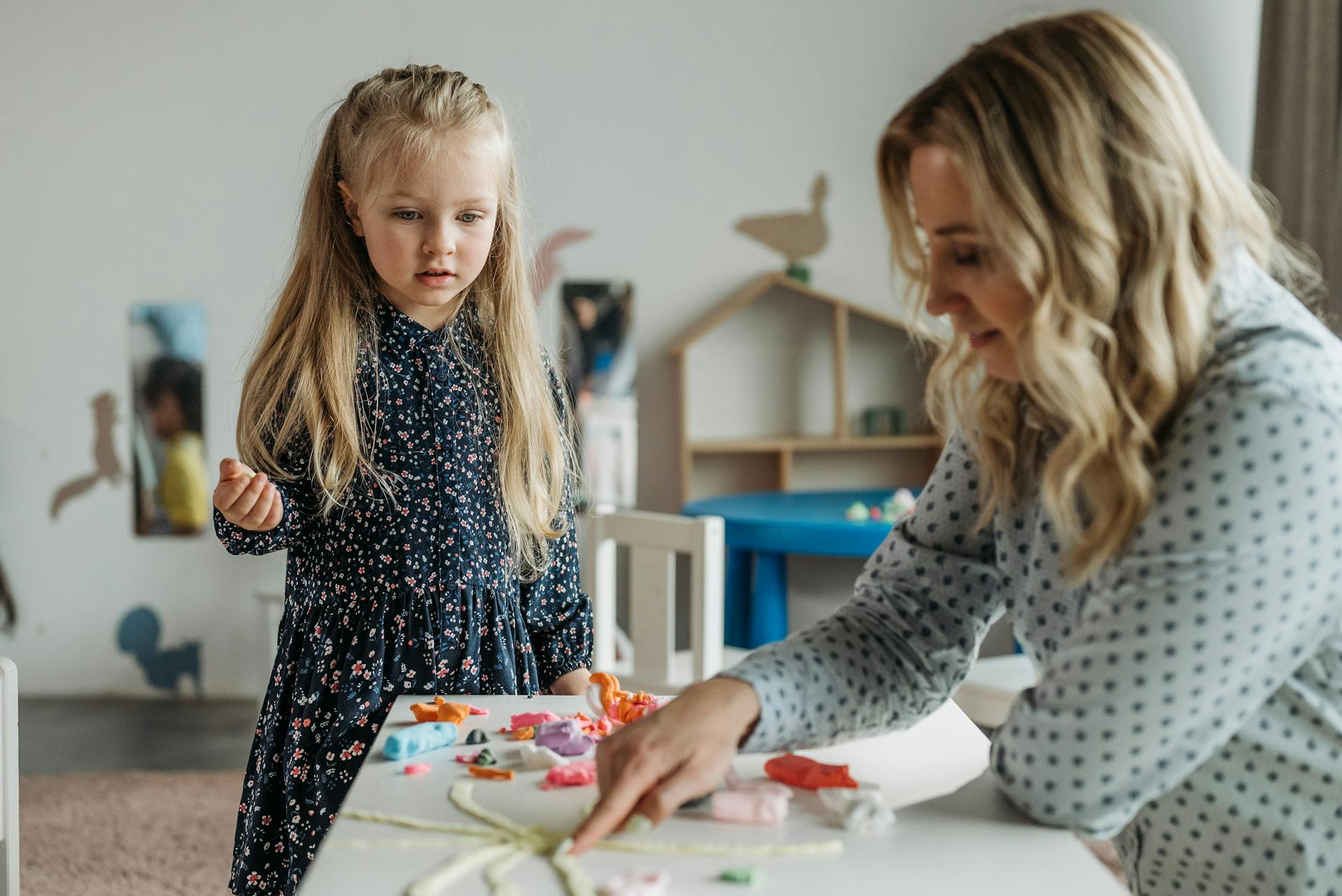
Child counselling provides a supportive environment where children can communicate in ways that feel comfortable and natural. Through conversation, creative expression, and play-based approaches, they can explore their emotions, build emotional awareness, and develop healthier ways of coping.
Each process is thoughtfully adapted to the child’s developmental stage and individual needs, with the goal of helping them feel understood, supported, and more confident in navigating everyday life.
When a Child May Benefit From Extra Support
Children can go through difficult seasons for many different reasons. Professional support may be helpful when emotional or behavioural changes persist, begin affecting daily life, or leave parents feeling unsure of how best to respond.

Worries or Separation Difficulties
Some children may become fearful, clingy, or emotionally overwhelmed during times of stress, uncertainty, or change.
Difficulty Managing Big Feelings
Big reactions, frustration, anger, or frequent tears can sometimes be signs that a child is feeling overwhelmed and does not yet have the tools to manage what they are carrying.
Behaviour Changes at Home or School
A sudden shift in behaviour, withdrawal, sensitivity, or difficulty coping in everyday situations may suggest that something deeper needs attention.
Family Changes or Unsettled Circumstances
Divorce, grief, loss, relocation, conflict at home, or other major transitions can affect a child's sense of safety and emotional balance.
Friendship or Social Struggles
Difficulty making or keeping friends, feeling left out, or challenges in peer relationships can affect confidence and wellbeing.
Difficulty Expressing Thoughts or Feelings
Some children know something feels wrong but do not yet have the language to explain it clearly. Child counselling can help them communicate and process emotions in a developmentally appropriate way.
Early support can help children feel safer, more understood, and better equipped to manage their emotions and experiences.
How the Process Works
Parent/Guardian Session
The process usually begins with a parent session to understand the child's current difficulties, developmental background, family context, and the concerns bringing them to counselling.
Child Counselling Sessions
Sessions are held with the child in a supportive environment. Depending on the child's age and needs, this may include play, drawing, storytelling, conversation, and other age-appropriate play-based approaches.
Parent/Guardian Session
Where appropriate, parents are supported with guidance to help them respond to their child's emotional needs in helpful ways outside of the counselling room.
Looking for support for your child?
Get In TouchFrequently Asked Questions
It is natural to have questions before getting started. Below are a few common questions parents often ask.
Child counselling is a developmentally appropriate form of counselling that helps children express emotions, process experiences, and work through challenges using play and creative interaction as part of the counselling process.
If your child seems anxious, emotionally reactive, withdrawn, behaviourally unsettled, or is struggling after a change or stressful experience, counselling may offer meaningful support.
Yes. Parent involvement is often an important part of the process and is handled in a way that supports the child while also giving parents helpful understanding and guidance.
Session length can vary depending on the practice structure, but they are usually 45 minutes to give enough time for meaningful support and conversation.
This depends on the child's needs, the nature of the concerns, and what the counselling process is aiming to support over time.
Yes. You are welcome to make contact first if you would like to ask questions or discuss whether child counselling would be the right fit.
STILL NOT SURE?